Tips for Using Knives Safely in the Workplace


Knives and cutting tools are a common cause of injury in the workplace. Many industries use knives in daily operations, including food packaging and distribution, warehousing and fulfilment.
Identify risks and prevent accidents before they occur
Here are some steps that can be taken to minimise risks and help prevent workplace injuries and accidents.
1. Identify hazards.
Assess risks, review past incidents and highlight where accidents could happen in future. With this information, you can be more aware and make more informed decisions about any operational changes, tools and how they are used.
2. Choose the safest knives and cutters.
Selecting the most suitable tools for the job can greatly reduce accidents. Choosing to supply your staff with the safest options can help them perform tasks better and safer.
Correctly assessing how knives are used, and selecting the safest, most suitable solution, can make a lot of difference in productivity and performance.
Bonus Trading can help - we can visit your workplace, provide in depth reviews of processes and offer solutions and product suggestions. Our recommendations could help reduce staff injuries, increase productivity and maximise staff working hours for increased efficiency.
We offer a fantastic range of safety knives and cutting tools, including auto retracting blades.
3. Education on proper use.
Even with the safest knives available, improper use can lead to increased risks. Make sure your staff are properly informed on how to best use cutting equipment and tools to avoid accidents.
Various materials can require different tools and/or methods of cutting. Ensure your employees know which tools are suitable for their work and how to use those tools correctly.
Health and Safety training and guidance on tool operation can help prevent accidents, keep staff fit and healthy, and minimise lost working hours.
Some examples of safety advice include:
- Always cut away from the body, in case control of the cutting tool is lost.
- When using open bladed tools, cut heavy materials on a stable surface to reduce chances of accidents.
- Don't leave a knife blade exposed when the knife is not in use. Return the blade to the retracted position or place it in a well fitting sheath.
- Replace blades when they become blunt or damaged, sharp blades mean less force is used to make a cut, reducing the chances of slipping and injury.
- Ensure used knife blades are disposed of safely, provide appropriate bins for blades and sharp objects.
- Users should inspect knives and blades for damage before use. If any part of the knife is damaged or heavily worn, then risk of failure is higher and the knife and/or blade should be replaced.
- Avoid distractions. As a user of knives and cutting tools, try to work in an environment free of activity that could become distracting. Don't approach or talk to someone using a knife or cutting equipment until they have stopped, when it is safe to do so.
4. Ensure staff are focused.
Be aware of loss of concentration due to tiredness or repetitive working. Ensure users take adequate breaks. Younger and newer employees are more at risk of injury - training and helping them to understand potential dangers can prevent incidents.
5. Provide PPE.
Supply staff with appropriate, well fitting personal protective equipment (PPE). Ensure safety clothing is worn and educate about proper use. Protective gloves and other clothing can help prevent and minimise injury when accidents do happen.
If PPE and clothing is well-used and less likely to provide adequate protection, consider replacing with new equipment.
See our range of PPE and cut resistant gloves →
6. Encourage communication.
Regularly ask staff if they feel any part of their work feels unsafe, or if they've had any 'near misses'. Ensure they're happy to report anything that could become a risk or hazard.
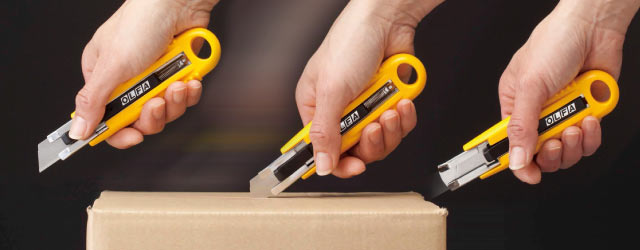
The Olfa range has a focus on quality and safety
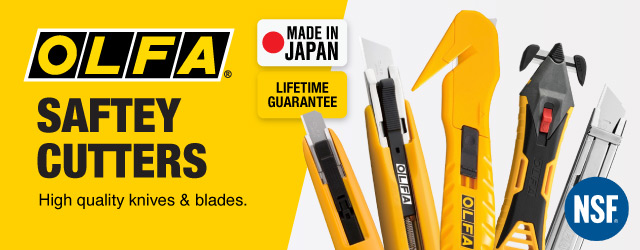
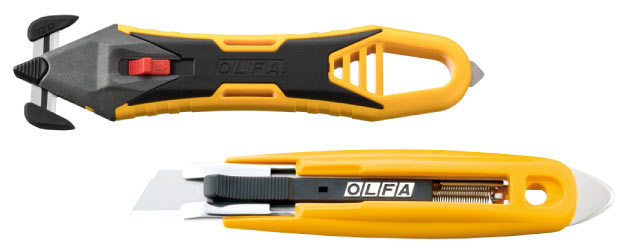
Olfa knives are high quality safety cutters, with concealed or auto-retracting blades, designed to keep users safe and prevent accidents.
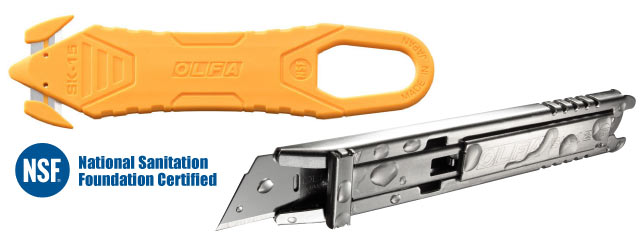
The range includes knives designed for sterile environments, that stand up to repeated washing and sterilising. These cutting tools are ideal for medical and food distribution and packaging, adding an extra level of safety, helping to minimise germs and ensure workplaces remain clean.
We can provide advice about the most suitable tools for your operations and industry, and we can visit you to understand all your packaging and equipment needs.
Contact us to discuss your tool and cutter requirements.
Learn more or order now
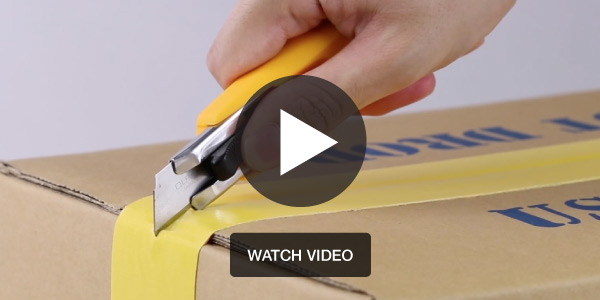
Watch a video and read more about Olfa safety knives →
Browse our full range of cutters and blades, order now →
We can assess your work process and recommend the best protective equipment and tools for your needs, get in touch →
Call 08000 540 100 or email sales@bonustrading.co.uk