
The Link Between Plastic Packaging and Oil Prices - What Businesses Need to Know

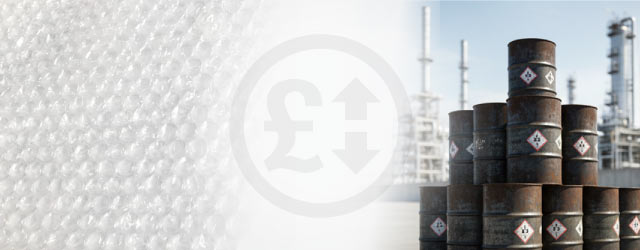
Plastic packaging plays a critical role in protecting, storing, and transporting goods across industries. However, what many businesses may not fully realise is how closely plastic packaging is tied to global oil markets, and why fluctuations in oil prices can have a direct impact on packaging costs.
Why Plastic Depends on Oil
Most plastic packaging is derived from petrochemicals, which originate from crude oil and natural gas. Through refining and processing, these raw materials are converted into polymers such as polyethylene (PE), polypropylene (PP), and PET - some of the most commonly used plastics in packaging today.
Because of this, the cost of producing plastic is heavily influenced by the price of oil. When oil prices rise, the cost of raw materials increases, and this can quickly filter through the supply chain.
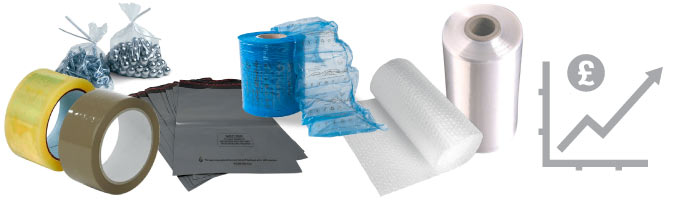
The Impact of Oil Price Volatility
Global events - such as geopolitical tensions, supply disruptions, or changes in production - can cause oil prices to fluctuate significantly. These changes don't just affect fuel costs, they also impact:
- Raw material pricing for plastic production
- Manufacturing costs due to energy-intensive processes
- Transportation costs, as logistics relies heavily on fuel
This creates a ripple effect, meaning that plastic packaging is particularly vulnerable to sudden cost increases compared to some alternative materials.
Why This Matters for Businesses
For companies relying on plastic packaging, this volatility can create challenges in:
- Budget forecasting
- Maintaining consistent pricing
- Protecting profit margins
Understanding this relationship allows businesses to plan more effectively and explore ways to reduce risk.

Exploring Alternative Packaging Solutions
As a result, many organisations are now looking at alternative materials that may offer greater stability and sustainability.
Some options include:
- Paper-based packaging – Often less directly tied to oil prices, widely recyclable and often compostable
- Corrugated solutions – Strong, versatile, and increasingly popular for transit packaging
- Hybrid packaging designs – Combining materials to reduce plastic usage while maintaining performance
- Recycled plastics – Helping to reduce reliance on virgin oil-based materials
Each option comes with its own benefits and considerations, depending on the product, supply chain, and protection requirements.
A Balanced Approach
While plastic remains an essential material in many applications - particularly where durability, hygiene, and protection are critical - there is a growing opportunity to review packaging strategies.
By taking a balanced approach, businesses can:
- Reduce exposure to oil price volatility
- Improve sustainability credentials
- Maintain product protection and performance
Supporting You Through Change
At a time when global markets are evolving rapidly, having the right packaging strategy is more important than ever. Monitoring trends, understanding material impacts, and exploring alternatives can help businesses stay resilient and competitive.
If you would like to review your current packaging or sample alternative solutions, our team is always here to help.
Call us on 08000 540 100 or email sales@bonustrading.co.uk
You can also request a packaging review online →